Foundry Maintenance Software: Plan the Reline, Not the Rescue
Published on 10/21/2026 • Updated on 10/22/2026
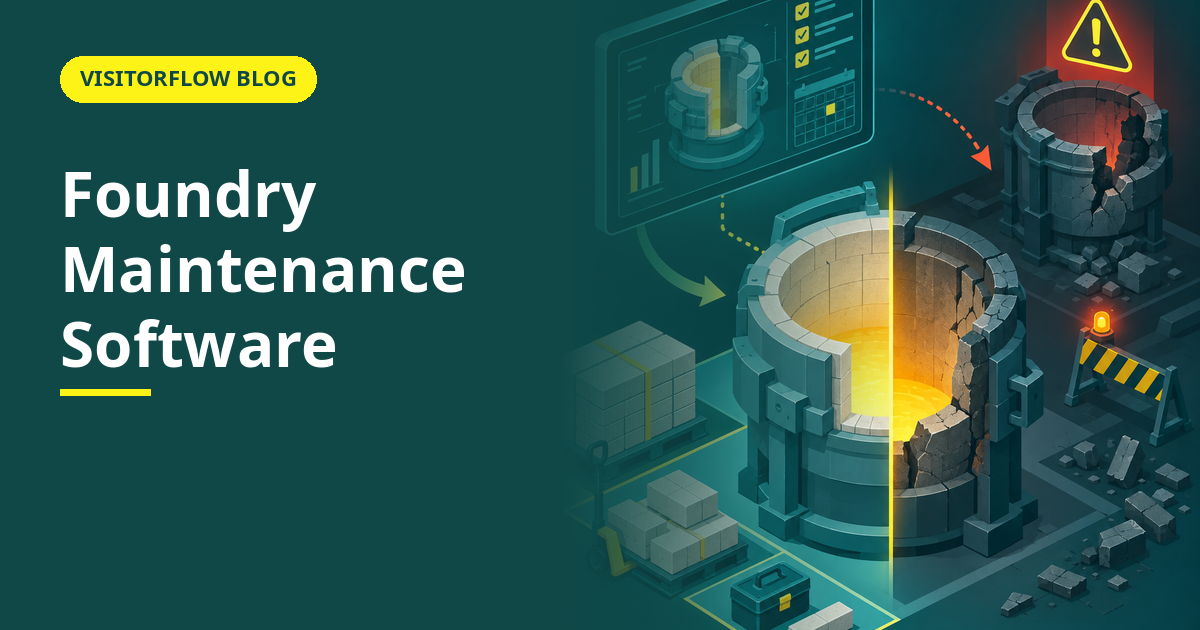
A grey iron foundry in Rajkot melts 8 tonnes a day in two induction furnaces. On a Tuesday the furnace lining starts showing a hot spot on the lower sidewall; the melt supervisor notes it verbally and plans to patch after the next pour. The next pour never finishes: the lining lets go mid-heat, 4 tonnes of molten metal go to the pit floor, and the furnace is down for a week-long reline with a casting order already late. The hot spot had been visible for three days, in a register that nobody opens on Mondays.
This guide covers maintenance management for foundries: the furnace-centred asset mix, why refractory wear sets the maintenance rhythm, and how a ticketing habit moves the melt supervisor's observations into maintenance before the metal moves first. For the general maintenance workflow, our guide to the maintenance ticketing system covers the basics; this article is about the foundry's specific machinery.
On this page
The asset mix around the furnace
A foundry's maintenance map radiates from the melt shop. The furnaces themselves wear refractory linings by heat count and coils by electrical life. The charging, pouring and material handling equipment (cranes, ladles, monorails, conveyors) fails mechanically under heat and dust. The moulding line, sand plant and shot blasting machines wear by throughput in a sand-and-dust environment that eats bearings. And the dust extraction and cooling water systems protect everything else while quietly clogging and scaling themselves.
What this mix means for the maintenance system:
- Refractory life is counted in heats. Lining inspection and patch decisions belong to a per-heat log, not a monthly calendar, and the log must reach maintenance daily.
- Dust is the common enemy. Bearings, motors and sensors across the sand plant and moulding line fail on dust-driven schedules that cleaning rounds hold in check.
- Water systems fail silently. Cooling water for coils and panels scales and clogs; the failure shows up as an electrical trip at the worst possible heat.
- The melt supervisor is the early-warning system. Lining condition, coil noise, water flow, crane brake feel: these observations exist every shift and die at the shift change without a ticket.
Key idea: In a foundry the difference between a planned reline and a molten-metal incident is whether the lining observation travels one shift earlier than the failure does.
Register vs AMC contract vs a ticketing system
Most foundries run a maintenance register in the electrical room and lean on the furnace OEM's AMC for the melt shop; everything else is reactive. The comparison shows where each lands when the audit or the insurer asks for maintenance evidence.
| What the foundry needs | Register plus AMC | Reactive with senior fitter | VisitorFlow Maintenance (ticketing) |
|---|---|---|---|
| Lining condition tracked per heat | Register updated when remembered | In the melt supervisor's head | Per-heat tickets and PM on heat count |
| Crane and hoist brake checks | Annual inspection only | After the near miss | Weekly checklist tickets with photo evidence |
| Sand plant bearing history | Grease entries, no failure pattern | Fitter's memory | Failure history per asset, repeat offenders visible |
| Insurer and audit evidence | AMC papers for the furnace only | Apologies | Ticket history with times, parts and photos |
Plan the reline before the lining plans it for you
VisitorFlow Maintenance tracks PM by date, running hours or heat count, with tickets your melt team can raise from the floor.
Explore Maintenance SoftwareSetting it up in three moves
Move 01
Put the melt shop on heat-count PM
Each furnace gets an asset record with its heat counter. Lining inspection, coil checks and water system flushing trigger on heats and weekly dates. The melt supervisor logs the lining observation after every pour in under a minute, and the reline decision gets made from a trend, not a hot spot discovered too late.
Move 02
Give cranes and hoists weekly checklist tickets
Brakes, wire ropes, limit switches and hooks get a weekly checklist ticket per crane, closed with a photo. The equipment that carries molten metal over people's heads graduates from annual inspection to weekly evidence.
Move 03
Register the dust environment's victims
Sand plant drives, moulding line bearings and extraction system filters get their own assets with cleaning and lubrication PMs matched to the dust load. Cleaning rounds become tickets with completion records, and the extraction plant that protects everything else stops being the last thing maintained.
Refractory, heat and the PM rhythm
The foundry's PM rhythm is set by three clocks. The heat clock runs the furnaces: lining checks, patch decisions, coil and panel inspections. The shift clock runs the daily and weekly items: crane checks, water system readings, cleaning rounds in the dust zones. The calendar clock runs the slow items: monorail structure inspection, electrical panel thermography, AMC vendor visits. A ticketing system holds all three against the right assets and turns each due item into a ticket the day shift inherits from the night.
The discipline that makes it stick is the close-out: what was done, which parts, one photo. Six months later, the foundry can answer the questions a register never could: lining life by furnace and ramming crew, which crane's brakes wear fastest, and whether the extraction plant's filter changes have kept pace with production.
Reader Q&A
How do we track lining life by heat without instrumentation?
The melt log already counts heats. The supervisor enters the count and a lining note after each pour; the PM fires on the count, and the reline decision is made from the recorded trend, not memory.
Our furnace OEM handles the melt shop under AMC. Do we still need this?
The AMC covers scheduled visits, not your daily lining observations, and not your cranes, sand plant, moulding line or water systems. The tickets capture what happens between AMC visits, which is where failures live.
Will the melt crew actually log observations after a pour?
Keep it under a minute: furnace, heat number, lining note, photo if something looks wrong. Foundries that tie it to the pour record they already keep see near-total adoption in two weeks.
Does this help with safety audits for cranes and hoists?
Yes. Weekly checklist tickets with photos create exactly the running evidence a factory inspector or insurer asks for, far stronger than an annual certificate and a register.
What about the dust extraction system everyone forgets?
Register it as an asset group with its own filter and duct-cleaning PMs. When its tickets start closing on schedule, bearing failures across the sand plant fall measurably within a quarter.
Can a single-furnace jobbing foundry use this?
A single furnace has the most to lose from an unplanned reline, and a jobbing shop's varied mix makes heat-count tracking even more valuable. The setup is an afternoon; the first avoided incident pays for the year.
Bottom line
This week, ask the melt supervisor to list every observation from the last five days that never reached maintenance. The lining notes on that list are the difference between a planned reline and a pit full of metal.
This quarter, put the furnaces on heat-count PM, the cranes on weekly checklist tickets, and the sand plant on asset history. The metric to watch is emergency relines and unplanned furnace stoppages per quarter; as it falls, on-time casting delivery climbs with it.
Make the melt shop's memory outlast the shift
VisitorFlow runs maintenance ticketing, PM schedules and asset history on one cloud platform, alongside visitor, gate pass, courier and incident workflows.
Explore Maintenance Software See Material Gate Pass Software Book a Free Demo
Aadeshwar Modi is a marketing technical content writer who loves writing on technology and AI topics.
- From Register Book to Software: Digitizing the Gate Pass
- Inter-Branch Transfer Gate Pass: Keep Stock True Across Units
- Material Inward Gate Pass: Link the Gate with the GRN
- E-Way Bill vs Gate Pass: What Each Document Does
- Gate Pass System for Engineering and Fabrication Workshops
- Gate Pass Software for Pharma and Chemical Plants
- Office Facility Maintenance Checklist: Daily, Weekly, Monthly
- Breakdown Maintenance Log: Record, Analyze, Reduce
- Maintenance KPIs and Dashboards: What to Review Weekly
- AMC Management Software: Contracts, Renewals and Vendor SLAs